The Sukhumvit Line of Bangkok’s BTS Skytrain continues to enhance city exploration, linking bustling shopping zones with riverside and historic districts for an efficient urban experience.
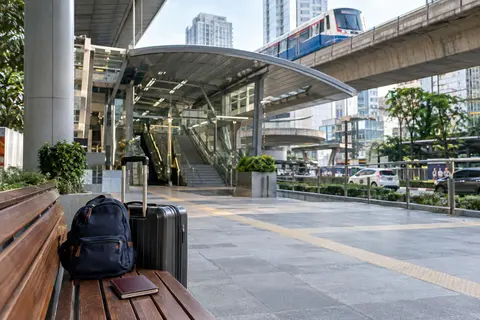
Sukhumvit remains one of Bangkok’s most practical bases for visitors who want to see a lot of the city without being swallowed by traffic. With direct access to the BTS Skytrain, travellers can move quickly between shopping districts, business corridors and riverside connections, making it far easier to shape a day around neighbourhoods rather than road congestion. For those staying near Nana BTS, the appeal is especially clear: the network places much of central Bangkok within easy reach, while still allowing time to enjoy the area around the hotel before heading out. According to transport guides on the BTS, the system’s Sukhumvit Line is one of the city’s key arteries and links neatly with other major routes.
A sensible first stop is the stretch between Nana and Asoke. This part of Sukhumvit combines street-level energy with straightforward transit options, and it works well as an opening chapter to a Bangkok itinerary. Terminal 21 at Asoke is one of the area’s best-known draws, with themed retail floors and plenty of places to eat, while the nearby connection to Sukhumvit MRT makes it a useful interchange point as well. Travel guides to Bangkok’s rail system note that this part of the network is especially valuable for moving between commercial districts with minimal fuss, and that station interchanges are a central reason the BTS is so widely used.
From there, the line towards Siam takes visitors into the city’s most concentrated shopping zone. Siam Station is a key junction on the BTS, and reports on the system consistently point to it as the point where the Sukhumvit and Silom lines meet. That makes it a natural hub for exploring Siam Paragon, Siam Centre and the surrounding malls, where retail, dining and entertainment are packed into a relatively compact area. Practical BTS guides also highlight the usefulness of ticketing options such as single-journey fares and the Rabbit Card, both of which help make repeated journeys around the city easier for visitors planning a full day out.
Continuing eastwards towards Chit Lom and Ratchaprasong brings a different feel, with large malls, hotel towers and the elevated walkways that allow pedestrians to cross the district without constantly returning to street level. This part of central Bangkok is known for upscale shopping and a more polished urban atmosphere, and it remains one of the clearest examples of how the BTS helps knit together the city’s major commercial zones. For travellers who want to mix sightseeing with convenience, it is an easy extension of a Sukhumvit-based route, particularly since several transport guides emphasise the line’s reach into the city’s busiest business and retail areas.
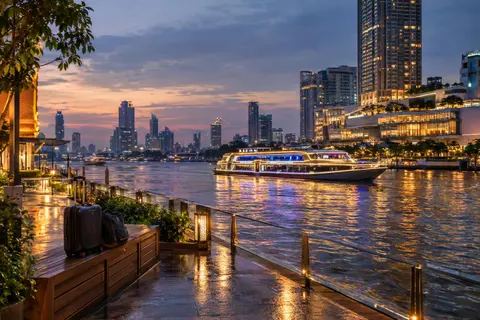
A final change of pace comes by heading south to Saphan Taksin, where the BTS connects with the Chao Phraya Express Boat at Sathorn Pier. That transfer opens up a very different Bangkok: temples, markets and riverside neighbourhoods that feel far removed from the high-rise energy of Sukhumvit and Siam. Transport guides describe this connection as one of the most useful in the city because it links the Skytrain with river travel, giving visitors access to more historic parts of Bangkok without needing a car. For anyone staying near Nana BTS, it is a reminder that a central base can be both efficient and flexible, allowing the city to unfold in several distinct layers over the course of a single day.